
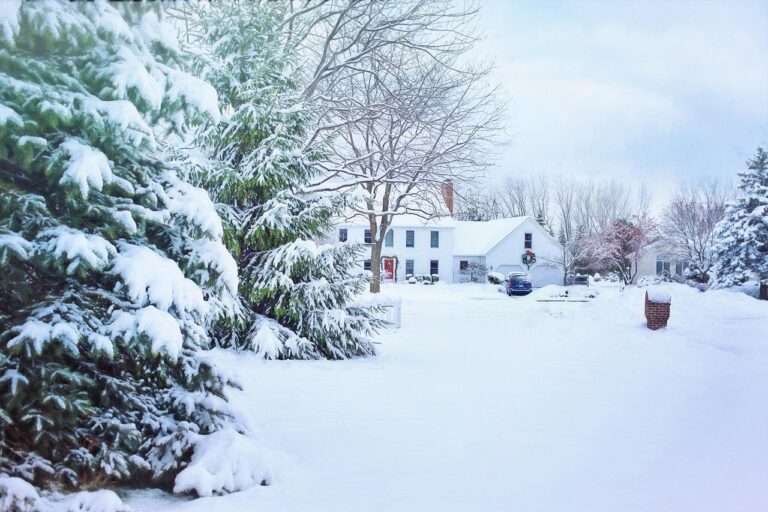
Homeowners should always prioritize winterizing their home because as temperatures drop, the risk of energy loss and damage to a home increase. Your HVAC system must work harder to keep your home comfortable and poorly insulated windows and gaps in doors will cause a significant heat loss. Freezing temperatures can lead to frozen pipes which means extensive water damage.
To prepare for winter, you should strive to reduce your energy usage and look for ways you can protect your wallet from preventable repairs and high energy bills.
- Winterize Your Pipes: Insulation acts as a barrier to prevent lines from extreme cold and helps maintain a stable temperature. Home Addition Plus features a thorough step-by-step video to guide you through the insulation process if you are a DIYer. If you are not comfortable insulating, contact a professional who can personalize recommendations based on your home’s layout and take into consideration your region’s weather conditions.
- Seal Gaps and Cracks: Warm air escapes and allows cold air to enter the home, causing your HVAC system to work harder. Inspect your home’s windows and doors, and create a list of issues. If you find issues with doors, go to your local hardware store and purchase weather stripping; it is the most cost-effective solution for sealing openings. The weather stripping will prevent drafts by creating a tight seal. Drafts from windows can be fixed by using caulk to close gaps or cracks around a window frame. Some window frames may need window weather stripping depending on the condition of the windowsill. If you are unsure and set on a DIY repair, take a picture on your phone, and consult a hardware professional’s advice.
- Insulate Your Garage: During the winter months, a garage tends to be cooler than the rest of the home since most garages have less insulation. Keeping your garage warmer will increase the efficiency of your HVAC system. Focus on insulating the garage door, walls, and ceiling. Insulation materials for garage walls and ceiling range from foam board or fiberglass. Weather stripping is used to seal garage door gaps and minimize drafts.
- Disconnect & Drain Outdoor Faucets or Install a Cover on Spigots: Depending on how cold your region’s temperatures get, you may need to consider disconnecting and draining outdoor faucets. If it’s not typical for your region to consistently experience freezing temperatures, you may only opt for an outdoor faucet/spigot cover. If you’re unsure, consult a professional for advice.
- Check Your Fireplace: If you have a fireplace, check annually for animal nests and creosote buildup (for wood burning fireplaces). Soot and other debris can build up in the chimney as well. You should vacuum and sweep out any accumulated ask from the firebox. Having your chimney annually serviced before creating your first winter fire is necessary.
- Clean Your Gutters: You should always clean your gutters twice a year—in late spring (before summer storms) and late fall (before a winter freeze).
- Protect Plants: Bring in your plants before the first cold snap. Temperatures that dip below 45 degrees Fahrenheit can kill a plant.
- Bring in Outdoor Gear: Store grills and outdoor furniture in a garage or basement. If you do not have an additional storage space, purchase a cover to protect the item from the elements. If you have a gas grill (with a propone tank), close the tank, disconnect, and bring it indoors and away from the outdoor elements.
- Outdoor Equipment: You will not need your mower or trimmers until spring time so take this time to clean and perform seasonal maintenance on these tools.
- Rock Salt & Other Essentials: If you live in an area that receives a decent amount of snow and ice, it is wise to purchase rock salt now before the stores are out of stock. You don’t need to purchase a full winter supply but having enough to get you through a storm is a good idea. This is also your reminder to check if you have a snow shovel, ice scraper, flashlight, extra batteries, bottled water and dried/canned food rations, extra pet food, and an updated emergency car kit.
- Change Your Filter: Your filters should be changed every three months, it is time to change the dirty filter that has trapped lint, pollen, and dust.
- Tree Limbs & Braches: If you have trees surrounding your home, take the time to cut back tree limbs and branches that could damage your roof and/or gutter.
Winterizing your home is a process. It is not something that needs to be completed in one day or weekend. Create a to-do list and schedule so you can pace yourself and be sure to allot time in case a professional is needed.