Homeowner fixing plumbing issue
Image: Pixabay_fran1

Did you know that the most common plumbing repairs involve clogged drains, leaky faucets, and running toilets? Labor is the largest portion of plumbing fees. The good news is you can be proactive and possibly eliminate plumbing issues if you know what to look for and how to properly maintain your drains. 

We reviewed homeowner surveys and researched hundreds of repair calls. Here are the top five plumbing tips every homeowner should know.


  1. Avoid Clogs: Avoid using harsh chemicals to unblock clogs; instead, use a plunger and/or drain snakes. Prevent clogs altogether by using drains in the kitchen sink to catch food and in the shower to trap hair. Only flush toilet paper and resist the urge to flush baby wipes and other cleansing wipes—even if the label says it is environmentally friendly. And do not pour grease down the drain. The New York Environmental Protection has a great article on how you can properly dispose of grease
  2. Check for Leaks: Set a reminder on your phone or digital calendar to check quarterly under sinks and shower heads for leaks. It is less costly to repair minor leaks and drips yourself by replacing a cracked fitting or cleaning a clogged showerhead. And sometimes a leaky toilet is due to a worn flapper—which is an inexpensive maintenance repair that can be easily replaced. 
  3. Main Water Shutoff Valve: Regardless of whether you are a renter or homeowner, it is imperative that you know where the main water shutoff valve is located. If there is an emergency, you do not want to wait around for an emergency plumber to arrive. (If you’re a renter, water damage is usually only covered if you have a separate flood insurance policy.) Water lines typically run into the house from the street side of the property. The Spruce shares excellent information on how to locate your main water shutoff valve. 
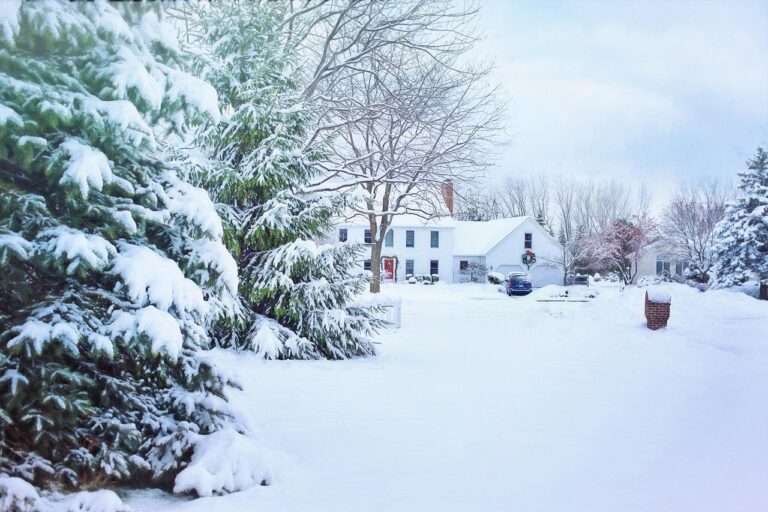
  4. Insulation: Be aware of the weather conditions—especially in the winter. Consider insulating exposed pipes, seal air leaks, keeping your thermostat steady, open cabinets, and winterize outdoor spigots by draining them and/or disconnecting hoses. Lastly, allow a slow, steady drip from faucets when temperatures are in freezing conditions.
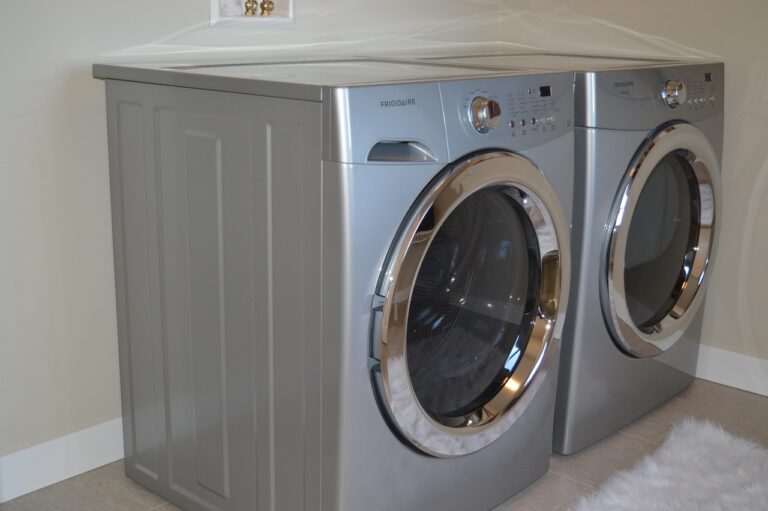
  5. Washing Machine Hoses: Washing machine hoses should be replaced every three to five years. Check the owner’s manual of your machine to confirm the manufacturer’s recommendation. Hose leaks are common when they dry out and rot, and neglecting the replacement can end up being a costly plumbing repair—especially if your unit is located on an upper floor.


Knowing these tips and staying up to date on your plumbing maintenance will make a big difference for your wallet and your peace of mind. 

How to Clean Your Dishwasher the Right Way

You rely on your dishwasher to do the dirty work and you expect your dishes to be enough to eat off. Cleaning your dishwasher on a regular basis is essential to ensure your dishes are clean and...

The 5 Best Air Cleaners on the Market

Let’s clear up the confusion. Many homeowners do not think they need an air cleaner/purifier since they regularly change their air filter. An air filter is a large trap for dust and pollen that works...

Seasonal Pest Control Tips

Some of the biggest misconceptions about pest control are: clean homes are immune to pests, pests disappear in the winter, and you only need to treat for pests when you see an infestation. When it...

Everything You Need to Know About Garbage Disposals

There are two types of garbage disposals: batch feed garbage disposal and continuous feed garbage disposal. A continuous feed garbage disposal is perfect for smaller families that are less likely to...

40 First-time Homebuyer Questions You Should Ask Your Inspector

Buying a home is overwhelming but purchasing a home as a first-time homebuyer can be frightening. There are so many questions you should ask and so many things you should be concerned about but it’s...

When to Repair vs Replace Garage Doors

The most common garage door issues involve broken springs/cables, opener problems, sensor malfunctions, track misalignments, and worn rollers. These issues often lead to the door being noisy, uneven...

20 Ways to Reduce Energy Bills and Save Money

Did you know the average monthly electric bill was $144 in 2024? That is more than $1,700 a year. It is relatively easy to save money each month and reduce your energy consumption by paying closer...

Simple Water Heater Maintenance Tips

Your water heater provides hot water for daily tasks like cooking, cleaning, and bathing so it is important to regularly maintenance the appliance to extend its lifespan. And while it’s important to...

What Is the 50/50 Rule for Appliances?

We’ve all been there. Our beloved appliance that we cannot remember how or when we acquired is showing signs of struggle. Maybe the coffee machine is taking a little longer to brew or the dishwasher...