A practical check of your heating, drafts, pipes and drainage can help you decide which winter tasks need attention first.
Your winter home checklist should start with the problems of which you are already aware. A cold bedroom, an overflowing gutter or an overdue service visit gives you something specific to follow up on before colder weather arrives.
Mark each check as you complete it, and note any work that remains. Let’s be clear: A checked box means you have reviewed that item, not that every problem is resolved. Skip items that do not apply to your home or climate, then use your findings to make a short follow-up list. By the end, you’ll be more than ready for the cold to arrive.
Heating and alarms
☐ Heating service history reviewed
Your records should show when the system was last serviced. Fuel-burning furnaces, boilers, fireplaces and their venting systems need an annual professional inspection. If that inspection is overdue or the timing is unclear, arrange a visit.
☐ Filter instructions and condition checked
The equipment instructions identify the filter type and size. The Department of Energy recommends checking furnace filters monthly during the heating season and cleaning or replacing them as appropriate.
☐ Recurring heating problems recorded
Specific observations help a technician: which rooms stay cold, when the heat cuts out and what was done last time. A few notes and the previous invoice give you a useful starting point for the visit.
☐ Smoke and carbon monoxide alarms tested
Test alarms according to their instructions, and keep testing them monthly. An alarm that does not respond as expected needs attention. The manufacturer’s instructions explain the next step.
For more on planning a service visit, see the Home Avengers heating maintenance guide.
Doors and windows
☐ Drafts and worn seals noted
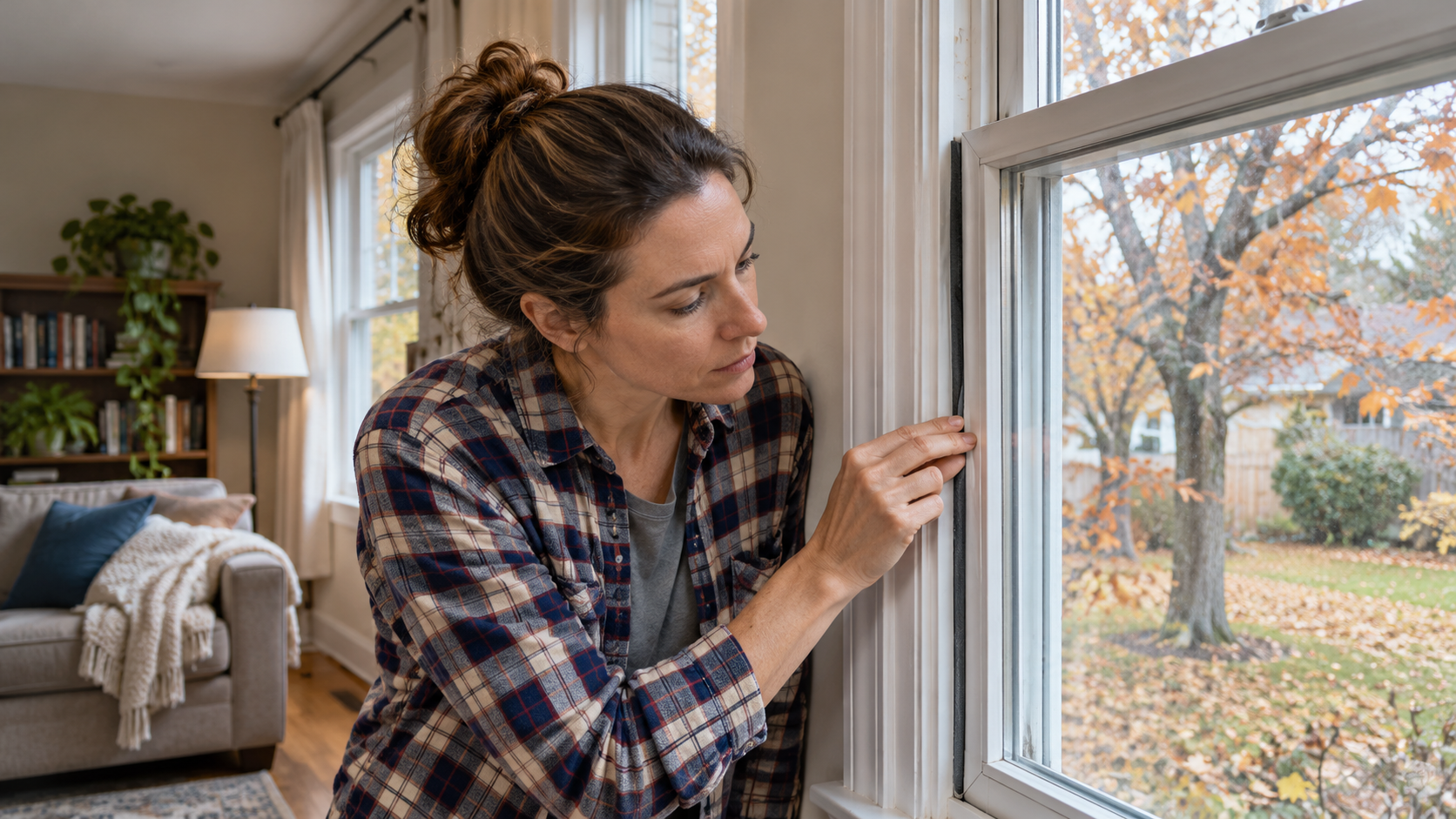
With exterior doors and windows closed and latched, look for damaged weatherstripping or visible gaps. Note where you feel a draft so you can describe the location, rather than simply reporting that the house feels cold.
☐ Sealing and repair questions listed
Weatherstripping seals movable parts. Caulk is used for stationary gaps. A draft can be a reason to ask about sealing or repair before considering replacement. Leave intentional ventilation openings clear.
A useful question for a contractor is: “Can this be addressed with sealing or a repair, and what would replacement change?” The Home Avengers window guide explains what drafts and fogging can tell you.
Water lines and outdoor systems
☐ Plumbing in unheated spaces identified
Where freezing weather is possible, pipes in a garage, crawl space or other unheated area deserve attention. A plumber can explain which lines need protection and what approach fits your home. It’s worth remembering that occasional freezes count too.
☐ Outdoor water preparation reviewed
Before freezing temperatures arrive, disconnect, drain and store outdoor hoses. Outdoor faucets and irrigation systems should be winter prepped according to the manufacturer’s or installer’s directions. Note any preparation you still need to arrange.
☐ Main water shutoff located and accessible
You should know where the main water shutoff is and be able to reach it. If you are unsure which valve it is or how to use it, get a walkthrough from a plumber or property manager before a leak makes the question urgent.
Roof runoff and drainage
☐ Gutters checked from ground level
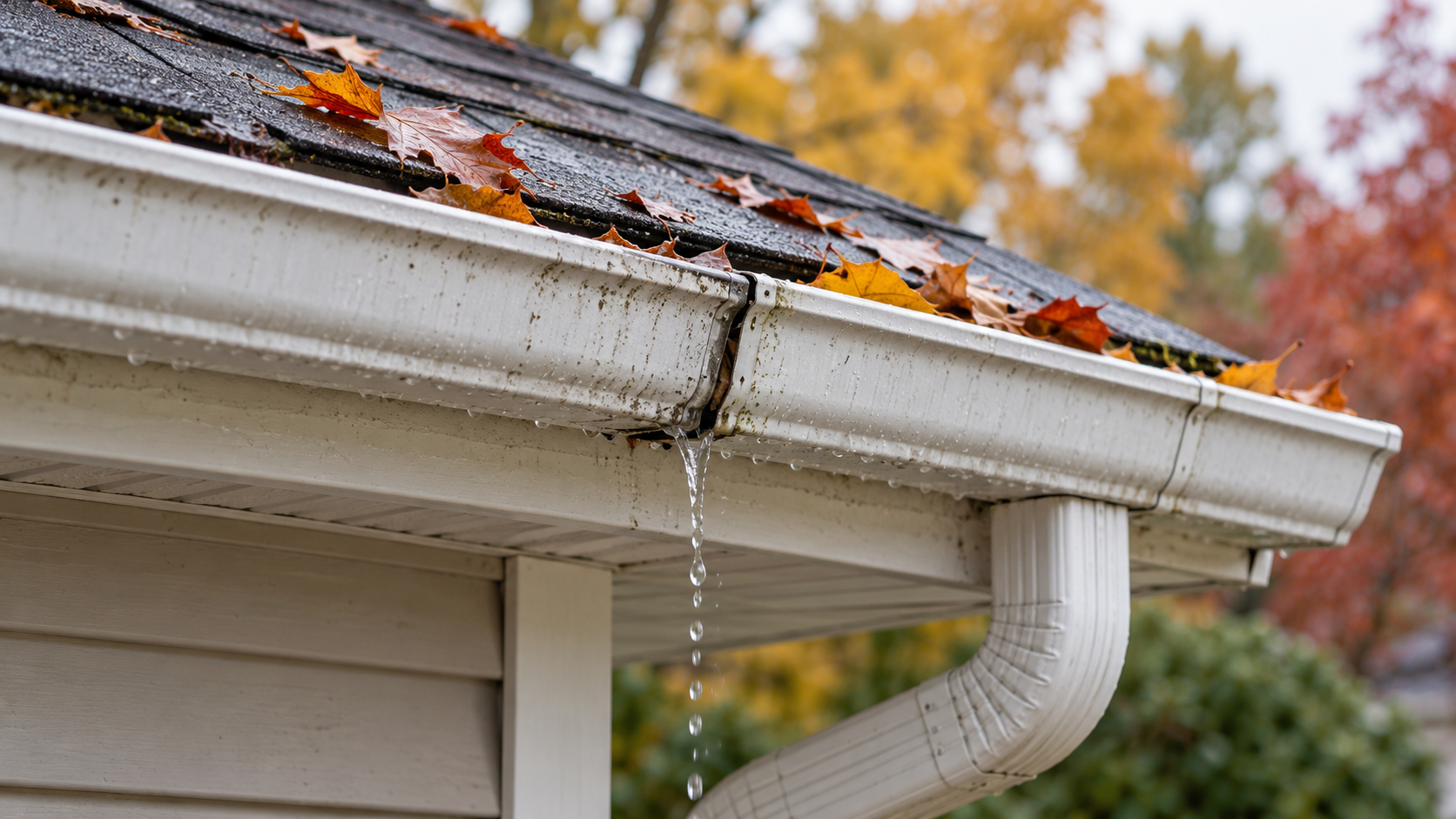
Visible debris, overflow marks or water spilling over an edge are reasons to arrange cleaning or an assessment. Work involving roof access or equipment you cannot use safely belongs on the list for professional help.
☐ Downspouts checked for leaks and water pooling near the house
Look for disconnected sections and note where the water goes. Downspouts should direct water away from the home, with the drainage approach suited to the property. If the route is unclear, ask what needs to change.
☐ Possible roof leaks recorded
Indoor water stains or evidence of an active roof leak deserve a photo and follow-up. The EPA recommends repairing roof leaks before winter weather arrives. An active leak needs prompt attention.
The Home Avengers gutter guide explains what recurring overflow and sagging can mean.
Make the list fit your home
If you rent, share the findings with your property manager. Confirm who handles heating service, filters, outdoor faucets and gutters, and how to report an urgent loss of heat or a water leak. Get permission before making changes to the property.
In a mild climate, focus on the conditions you actually face. Heating maintenance and drainage can still matter. Where freezing is unusual, a question about vulnerable plumbing is worth settling before a freeze enters the forecast.
Turn the findings into next steps
For each item needing follow-up, record the problem, the next action and who will handle it. A note such as “water spills over the rear gutter during rain; send photos and request an assessment” gives you a task you can act on.
Active leaks and unresolved heating or alarm problems take priority over smaller comfort improvements. Your finished list should make it easy to see what you can handle, what needs a property manager and what calls for a professional.